Exploring the Advantages of Utilizing Bulk Containers in Modern Supply Chains
Making use of bulk containers in contemporary supply chains provides a variety of benefits that are entitled to cautious consideration. These containers can cause considerable price financial savings while improving logistical efficiency. They also play a vital function in decreasing product packaging waste and boosting storage services. As markets increasingly focus on sustainability, the potential effect of mass containers becomes a lot more appropriate. What certain advantages can be understood by adopting this strategy?
Price Cost Savings Via Mass Handling
Bulk handling uses considerable expense savings for businesses within modern supply chains. By making use of mass containers, companies can lower packaging prices considerably, as less products are required for transport and storage space. This reduction in packaging not only decreases expenses but likewise decreases waste, straightening with sustainability goals. Additionally, mass handling allows more effective transport, as larger volumes can be shipped in fewer journeys, leading to lowered freight costs.
Labor costs also see a decrease; mass products typically call for much less manual handling, enabling staff to concentrate on various other value-added jobs. In addition, the structured storage of mass containers enhances storehouse area, causing possible cost savings in rental or functional expenses. On the whole, applying bulk handling methods can significantly improve a business's profits, making it an eye-catching choice for companies wanting to improve their price effectiveness in a competitive market
Boosted Effectiveness in Logistics
While traditional supply chain methods frequently entail fragmented processes, the integration of mass containers significantly boosts logistics effectiveness. These containers help with the streamlined activity of products, decreasing dealing with times and minimizing the need for multiple transfers. By consolidating products into less deliveries, firms can enhance transportation routes and minimize overall products costs.
The improved exposure offered by bulk logistics allows real-time monitoring of shipments, allowing supply chain supervisors to react swiftly to any interruptions. Generally, the fostering of mass containers changes logistics procedures, promoting a more responsive and agile supply chain that fulfills the demands of modern business.
Decrease of Packaging Waste
As companies seek to boost sustainability in their operations, making use of bulk containers plays an important role in decreasing product packaging waste. Conventional packaging methods commonly entail multiple layers, leading to significant waste, both in materials and disposal. By making use of bulk containers, companies can notably reduce the quantity of product packaging required, as these containers are made to be reused and reused. This shift not just decreases the quantity of single-use packaging sent out to garbage dumps yet additionally reduces the carbon footprint connected with manufacturing and carrying packaging products. Furthermore, mass containers facilitate a lot more effective loading procedures, enabling a higher amount of products to be carried at the same time, consequently reducing the requirement for too much packaging. Ultimately, taking on bulk containers results in a much more lasting supply chain, lining up operational exercise with ecological responsibility while additionally possibly reducing prices connected with product packaging waste administration.
Enhanced Storage Space Solutions
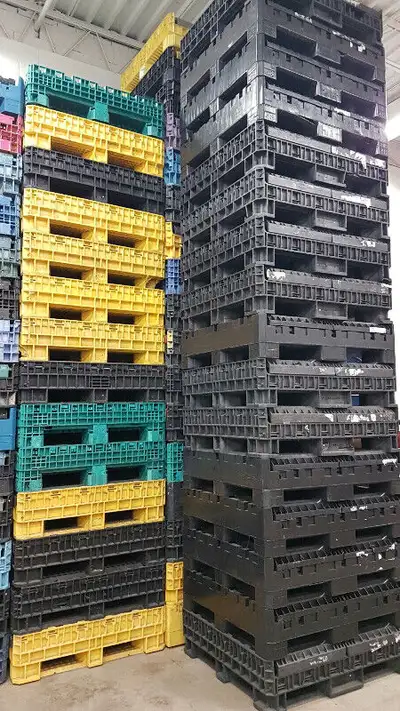
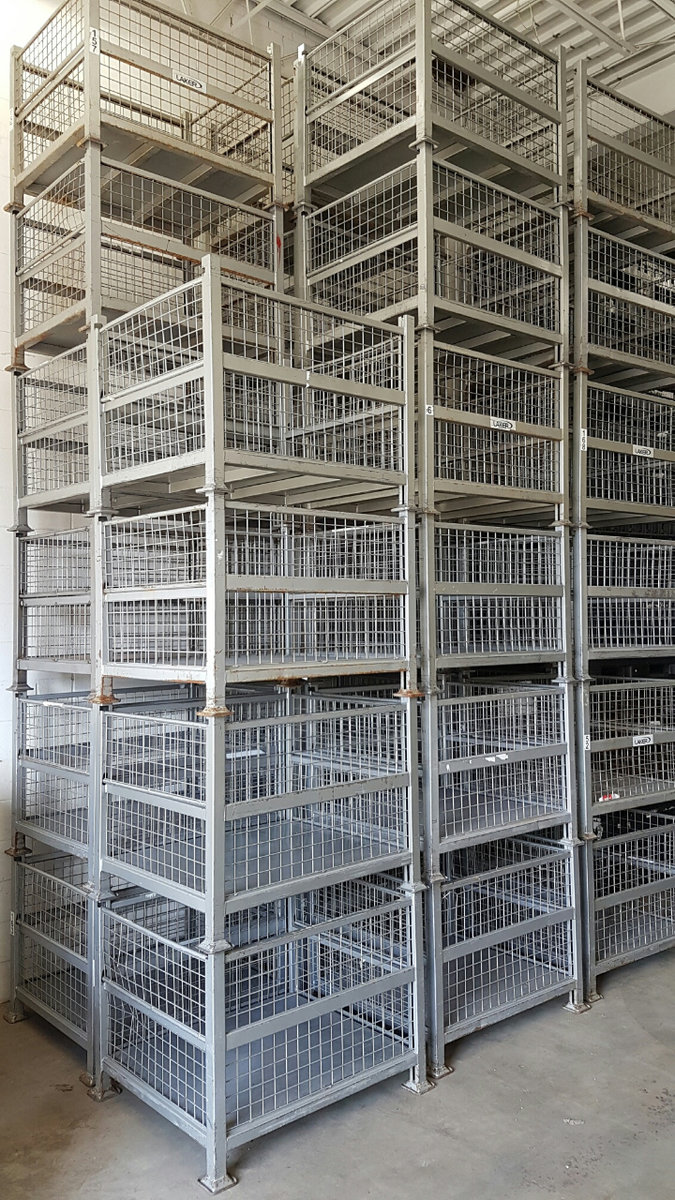
Reliable storage space remedies are crucial for enhancing supply chain efficiency, specifically when bulk containers are employed. These containers optimize space use, enabling higher thickness storage. Their uniform measurements make it possible for stacking, which decreases the footprint needed in storehouses and circulation. This organization not just improves availability however additionally simplifies supply administration.
Additionally, bulk containers can be developed to suit various materials, from liquids to solids, consequently using adaptability in storage alternatives. Their durable construction guarantees longevity, minimizing the danger of damages throughout handling and transport. Subsequently, organizations can experience fewer disturbances and lower replacement expenses.
Moreover, the standardization of mass containers promotes less complicated integration into automated storage space and retrieval systems, better check here improving operational performance. Finally, the fostering of mass containers leads to boosted storage options that sustain structured procedures and add favorably to general supply chain efficiency.
Promoting Sustainability in Supply Chains
Advertising sustainability in supply chains has actually come to be a crucial emphasis for organizations looking for to decrease their environmental impact. The fostering of mass containers functions as a crucial approach for boosting sustainability initiatives. These containers, made for efficient storage and transportation, substantially decrease packaging waste compared to conventional packaging methods. By using sturdy materials, bulk containers can be recycled multiple times, further lowering the requirement for single-use product packaging.
In addition, mass containers maximize logistics by taking full advantage of room utilization throughout transport, thereby decreasing carbon exhausts related to delivery. Services can additionally improve their supply chain procedures, which adds to reducing power usage. Furthermore, business that focus on sustainability usually enhance their brand track record, attracting eco mindful customers. In general, incorporating mass containers into supply chains not just advertises eco-friendly obligation however also fosters functional effectiveness, demonstrating a comprehensive approach to sustainable company techniques.
Regularly Asked Concerns
What Types of Products Are Finest Suited for Mass Containers?
Products ideal fit for bulk containers consist of grains, chemicals, fluids, and large elements. These items take advantage of reliable storage space, transportation, and minimized product packaging waste, ultimately boosting functional effectiveness and cost-effectiveness within supply chain procedures.

Exactly How Do Bulk Containers Effect Inventory Management Practices?
Bulk containers enhance stock monitoring by reducing handling times and optimizing storage area. They boost presence of stock degrees, streamline monitoring, and facilitate even more accurate forecasting, inevitably bring about improved effectiveness and minimized operational prices.
Are There Details Industries That Benefit Most From Bulk Containers?
Specific markets, such as farming, chemicals, and food processing, advantage most from bulk containers. used collapsible bulk containers. These fields make use of bulk containers to improve efficiency, minimize expenses, and boost logistics, ultimately streamlining their supply chain procedures greatly
What Are the Safety Considerations When Using Bulk Containers?
Safety and security factors to consider when making use of mass containers consist of guaranteeing architectural stability, correct handling strategies, safe and secure loading and discharging processes, routine inspections for leaks or damages, and compliance with relevant policies to minimize risks during transportation and storage.
Just How Can Firms Transition to Bulk Container Equipments Effectively?
Companies can efficiently shift to bulk container systems by examining existing logistics, training personnel, slowly applying the new system, examining provider abilities, and continually keeping track of performance to assure effectiveness and safety throughout the procedure. (refurbished bulk containers)
The use of bulk containers in modern-day supply chains presents a range of benefits that should have mindful consideration. By making use of mass containers, business can minimize packaging costs significantly, as less products are required for transportation and storage. While traditional supply chain approaches usually include fragmented processes, the integration of mass containers significantly boosts logistics efficiency. By using bulk containers, organizations can especially minimize the quantity of packaging required, as these containers are developed to be recycled and reused. Efficient storage space remedies are crucial for maximizing supply chain performance, specifically when mass containers are utilized.